
Sinulog Festival 2026: Complete Guide to Cebu's Grandest Celebration
Everything you need to know about Sinulog 2026 in Cebu: schedule of events, history, the Sinulog dance, costumes, and travel tips for January 2026.
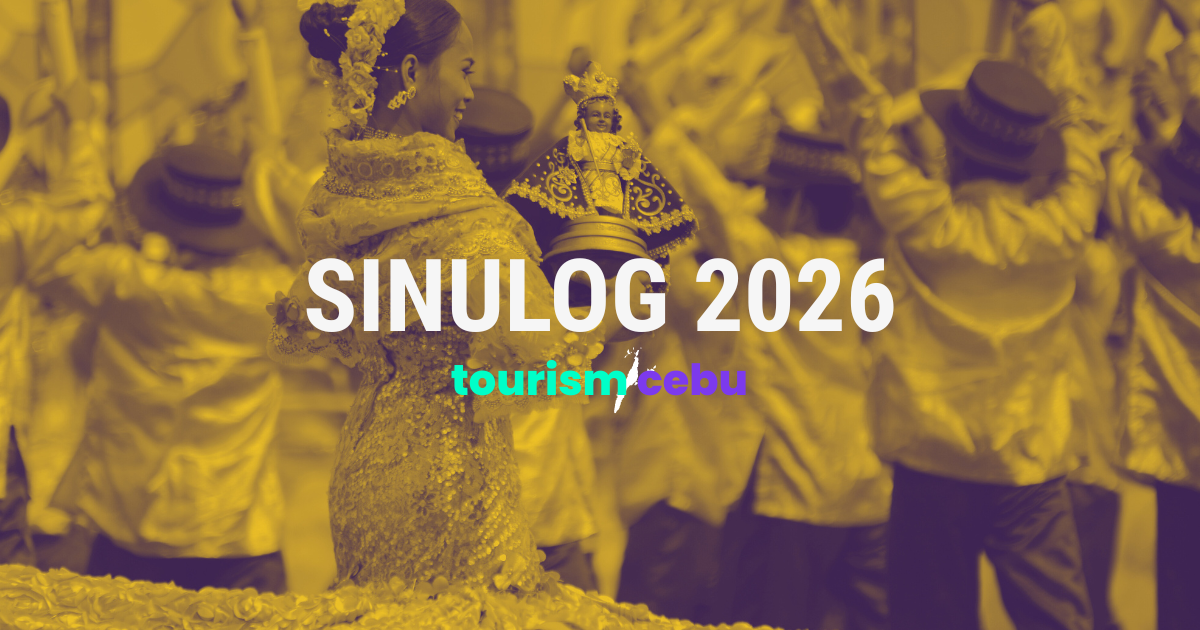
Sinulog Festival 2026 is set to be Cebu's grandest celebration yet, honoring the Santo Niño (Holy Child Jesus) with weeks of religious ceremonies, street dancing, and cultural festivities. Held every third Sunday of January, Sinulog attracts millions of devotees and tourists to Cebu City for one of the Philippines' most spectacular festivals.
What is Sinulog Festival?
The Sinulog Festival is an annual cultural and religious celebration in Cebu City, Philippines, honoring the Santo Niño de Cebu. The festival takes its name from the Cebuano word "sulog," meaning "like water current movement," which describes the distinctive forward-backward dance motion that characterizes Sinulog performances. It is both a grand thanksgiving celebration and one of the largest religious festivals in Asia.
The festival combines Catholic devotion with indigenous cultural elements, creating a unique celebration that showcases Filipino faith, artistry, and community spirit. Each year, contingents from across the Philippines and international groups participate in elaborate dance competitions featuring colorful costumes and choreographed routines.
Sinulog 2026 Schedule of Events
The Sinulog Foundation Inc. has announced the complete schedule for Sinulog 2026, running from late December 2025 through January 2026:
| Date | Event | Details |
|---|---|---|
| December 27, 2025 | Festival Activities Begin | Opening of festival grounds and early events |
| January 8, 2026 | Walk with Jesus | Solemn procession setting the spiritual tone |
| January 9, 2026 | Sinulog Kick-Off & Opening Salvo | Official festival opening ceremonies |
| January 10, 2026 | Brass Band Competition | Sinulog sa Kabataan sa Dakbayan, Battle of the Bands |
| January 15, 2026 | Walk with Mary | Marian procession through Cebu City |
| January 16, 2026 | Festival Queen Coronation | Sinulog Festival Queen 2026, Dance Crew Showdown |
| January 17, 2026 | Fluvial Procession | Solemn Veneration, Fireworks Competition |
| January 18, 2026 | Grand Parade | Main event at 8:30 AM, Cebu City Sports Center |
| January 19, 2026 | Awarding Ceremonies | Winners announced for all competitions |
| January 23, 2026 | Adlaw sa Hubo | Ceremonial return of Santo Niño to Basilica |
History and Origin of Sinulog Festival
The history of Sinulog Festival dates back to 1521 when Portuguese explorer Ferdinand Magellan arrived in Cebu and presented a statue of the Santo Niño to Rajah Humabon's wife, Hara Amihan (baptized as Queen Juana). This gift marked the introduction of Christianity to the Philippines.
According to tradition, the origin of Sinulog can be traced to the native Cebuanos who danced before the Santo Niño image, moving in a manner that resembled the current of the Pahina River. This ritual dance evolved over centuries, blending indigenous practices with Catholic devotion.
Key Historical Milestones
- 1521: Magellan presents the Santo Niño to the Cebuano royalty
- 1565: Spanish conquistador Miguel López de Legazpi rediscovers the Santo Niño image intact after a fire
- 1980: First organized Sinulog Festival celebration
- 1981: Sinulog Foundation Inc. established to manage the annual celebration
- Present: Festival has grown into a month-long celebration attracting millions
The Sinulog Dance
The Sinulog dance is the heart of the festival, characterized by a distinctive two-steps-forward, one-step-backward movement that mimics the flowing motion of water. Sinulog dancers hold candles or images of the Santo Niño while performing, swaying gracefully to the rhythm of drums and native instruments.
Elements of the Sinulog Dance
- Movement Pattern: The signature forward-backward motion symbolizing the river current
- Music: Traditional drumbeats accompanied by the iconic "Pit Senyor" chant
- Props: Santo Niño images, candles, and decorative fans
- Spirit: Dancers express devotion and gratitude to the Santo Niño
The Sinulog dance festival competitions feature both free interpretation and ritual categories, with contingents spending months perfecting their choreography and costumes.
Sinulog Festival Costumes
Sinulog festival costumes are among the most elaborate in Philippine festivals. Each contingent designs unique costumes that often cost millions of pesos in total, featuring:
- Vibrant Colors: Bold reds, yellows, greens, and blues dominate
- Indigenous Motifs: Designs incorporate traditional Visayan patterns
- Headdresses: Towering headpieces made of feathers, beads, and fabric
- Body Paint: Some contingents use tribal-inspired body art
- Materials: Combinations of fabric, recycled materials, shells, and beads
The Sinulog costume designs often tell stories—depicting historical events, environmental themes, or devotional narratives through their visual elements.
Where is Sinulog Festival Held?
The Sinulog festival place centers on several key locations in Cebu City:
- Basilica Minore del Santo Niño: The spiritual heart of the festival, housing the original Santo Niño image
- Cebu City Sports Center (CCSC): Main venue for the Grand Parade and competitions
- Osmeña Boulevard: Primary parade route through the city center
- Fuente Osmeña Circle: Festival activities and street parties
- SRP (South Road Properties): Concert venues and overflow areas
The Sinulog festival place of origin is Cebu City, specifically the Basilica del Santo Niño where the miraculous image has been venerated for over 450 years.
How to Experience Sinulog 2026
Accommodation Tips
- Book Early: Hotels fill up months in advance—reserve by October 2025
- Consider Nearby Cities: Mandaue, Lapu-Lapu, and Talisay offer alternatives
- Expect Higher Rates: Prices typically double or triple during Sinulog week
Getting Around
- Road Closures: Major roads closed January 5-18, 2026 (Osmeña Blvd, D. Jakosalem, Magallanes St.)
- Use Public Transit: Jeepneys and MyBus routes adjusted during the festival
- Walk: Many festival areas are best explored on foot
What to Bring
- Comfortable Shoes: You'll be walking and standing for hours
- Rain Protection: January can bring occasional showers
- Sun Protection: Hat, sunscreen, and water are essential
- Cash: Many vendors don't accept cards
- Camera: Capture the colorful celebrations
Sinulog 2026 Travel Tips
- Arrive Early: Get to parade viewing spots by 6 AM for the best positions
- Stay Hydrated: Vendors sell water, but bring your own to save money
- Secure Valuables: Crowds can be dense; use anti-theft bags
- Join the Devotion: Attend Mass at the Basilica for the authentic spiritual experience
- Try Local Food: Festival food stalls offer lechon, pusô, and street food favorites
References
- Sinulog Foundation Inc. Official Website
- Sinulog 2026 Full Schedule of Activities (Cebu Daily News)
- Sinulog Unveils Full Schedule for 2026 (Daily Tribune)
- Basilica Minore del Santo Niño de Cebu - Historical Records
Viva Pit Senyor! Experience the faith, culture, and celebration of Sinulog 2026 in Cebu.
Related Topics
Frequently Asked Questions
When is Sinulog Festival 2026?
The Sinulog 2026 Grand Parade is on January 18, 2026 (third Sunday of January). Festival activities run from December 27, 2025 through January 23, 2026.
What is the history of Sinulog Festival?
Sinulog originated in 1521 when Ferdinand Magellan presented a Santo Niño statue to Cebu's Queen Juana. The native dance mimicking river current movements evolved into today's grand celebration, officially organized as a festival since 1980.
What is the Sinulog dance?
The Sinulog dance features a distinctive two-steps-forward, one-step-backward movement mimicking water current flow. Dancers hold Santo Niño images or candles while swaying to traditional drumbeats and the "Pit Senyor" chant.
Where is Sinulog Festival held?
Sinulog Festival is held in Cebu City, Philippines. Key venues include the Basilica Minore del Santo Niño, Cebu City Sports Center for the Grand Parade, and Osmeña Boulevard for the parade route.